
Sustainable Eating Principles
Transform your kitchen into an eco-friendly powerhouse with our comprehensive guide to sustainable nutrition and zero-waste cooking practices.
Zero-Waste Kitchen Fundamentals
Master the essential principles of waste reduction in daily cooking and create a sustainable kitchen ecosystem that benefits both your family and the planet.
Plan Your Meals Mindfully
Begin each week with a comprehensive meal plan that incorporates seasonal produce and utilizes every ingredient efficiently. Create shopping lists that prevent impulse purchases and reduce food waste by 40%.
Master Food Storage
Learn proper storage techniques for vegetables, fruits, and prepared foods to maximize freshness and minimize spoilage. Implement the FIFO method (First In, First Out) in your refrigerator organization.
Repurpose Scraps Creatively
Transform vegetable peels into nutritious broths, use fruit scraps for composting, and create delicious meals from typically discarded parts. Turn food waste into valuable resources for your garden and kitchen.
Invest in Quality Tools
Choose durable, multifunctional kitchen equipment that reduces waste and increases efficiency. Quality tools last longer, perform better, and ultimately save money while supporting sustainable practices.
Build Community Networks
Connect with local farmers, join community-supported agriculture programs, and participate in food-sharing initiatives. Community connections reduce transportation costs and strengthen local food systems.
Essential Zero-Waste Kitchen Setup
Storage Solutions
- Glass containers for bulk dry goods and leftovers
- Beeswax wraps as plastic wrap alternatives
- Mesh produce bags for shopping and storage
- Countertop compost bin with charcoal filter
Daily Practice Routines
- Check refrigerator inventory before shopping
- Wash and prep vegetables immediately after purchase
- Save vegetable scraps in freezer for stock
- Practice "ugly produce" appreciation in meal planning
Indonesian Seasonal Produce Guide
Discover the rich diversity of Indonesian seasonal produce and learn how to incorporate local, sustainable ingredients into your daily meals for maximum flavor and environmental benefit.
Rice Harvest Season
Indonesia's primary harvest period brings fresh rice varieties and supporting crops. This is the optimal time for:
Peak Produce:
- • Fresh jasmine rice varieties
- • Young coconut shoots
- • Fresh turmeric and ginger
- • Dragon fruit and papaya
Sustainable Benefits:
- • Minimal transportation required
- • Support local farming communities
- • Peak nutritional content
- • Best flavor profiles
Fruit Abundance Period
Spring rains bring abundant fruit harvests, offering nature's sweetest gifts at their nutritional peak:
Peak Produce:
- • Durian and mangosteen
- • Fresh coconut water
- • Passion fruit and starfruit
- • Local varieties of mango
Usage Tips:
- • Blend fresh smoothies
- • Create natural fermented drinks
- • Use in traditional desserts
- • Preserve for year-round use
Spice Harvest Excellence
Indonesia's famous spice islands reach peak production, offering the world's finest aromatics:
Premium Spices:
- • Fresh vanilla pods
- • Hand-picked cloves
- • Nutmeg in shell
- • Cardamom pods
Sustainable Sourcing:
- • Direct from small farmers
- • Fair trade certified options
- • Minimal processing required
- • Long shelf life when properly stored
Root Vegetable Season
Cooler weather brings hearty root vegetables perfect for warming, nutritious meals:
Root Harvest:
- • Sweet potatoes and taro
- • Fresh cassava roots
- • Indonesian yams
- • Asian radishes
Cooking Applications:
- • Roasting for natural sweetness
- • Steaming for maximum nutrition
- • Traditional soup bases
- • Natural starch alternatives
Connecting with Local Indonesian Farmers
Farmers Markets
Visit local markets during harvest seasons to connect directly with farmers and learn traditional cultivation methods.
Community Supported Agriculture
Join CSA programs to receive weekly boxes of seasonal produce while supporting sustainable farming practices.
Educational Programs
Participate in workshops and farm visits to learn sustainable growing techniques and seasonal eating patterns.
Environmental Impact of Food Choices
Understand the true environmental cost of your meals and discover how simple dietary choices can create significant positive impact for our planet's future.
Interactive Food Carbon Footprint Comparison
Drag the slider to see the environmental impact difference between different food choices
High Impact Foods
Low Impact Alternatives
Your Potential Impact Reduction
98%
Water Usage in Food Production
Land Use Efficiency
Animal Products
Require 10-20 times more land per calorie compared to plant-based foods. Beef production uses 164 square meters per kilogram.
Dairy Products
Cheese requires approximately 10 square meters of land per kilogram. Yogurt and milk fall between 4-7 square meters.
Plant-Based Foods
Vegetables use 1-2 square meters per kilogram. Legumes require the least land while providing high protein content.
Grains and Cereals
Rice and wheat are land-efficient, using 2-3 square meters per kilogram while providing essential carbohydrates.
Transportation Impact Facts
Local vs. Imported
80% less emissions
Choosing locally grown food reduces transportation emissions by up to 80% compared to imported alternatives.
Seasonal Eating
60% reduction
Eating seasonally grown produce can reduce your food-related carbon footprint by over 60% annually.
Direct Sourcing
90% fewer miles
Purchasing directly from farmers or farmers markets reduces food miles by an average of 90%.
Eco-Friendly Grocery Planning
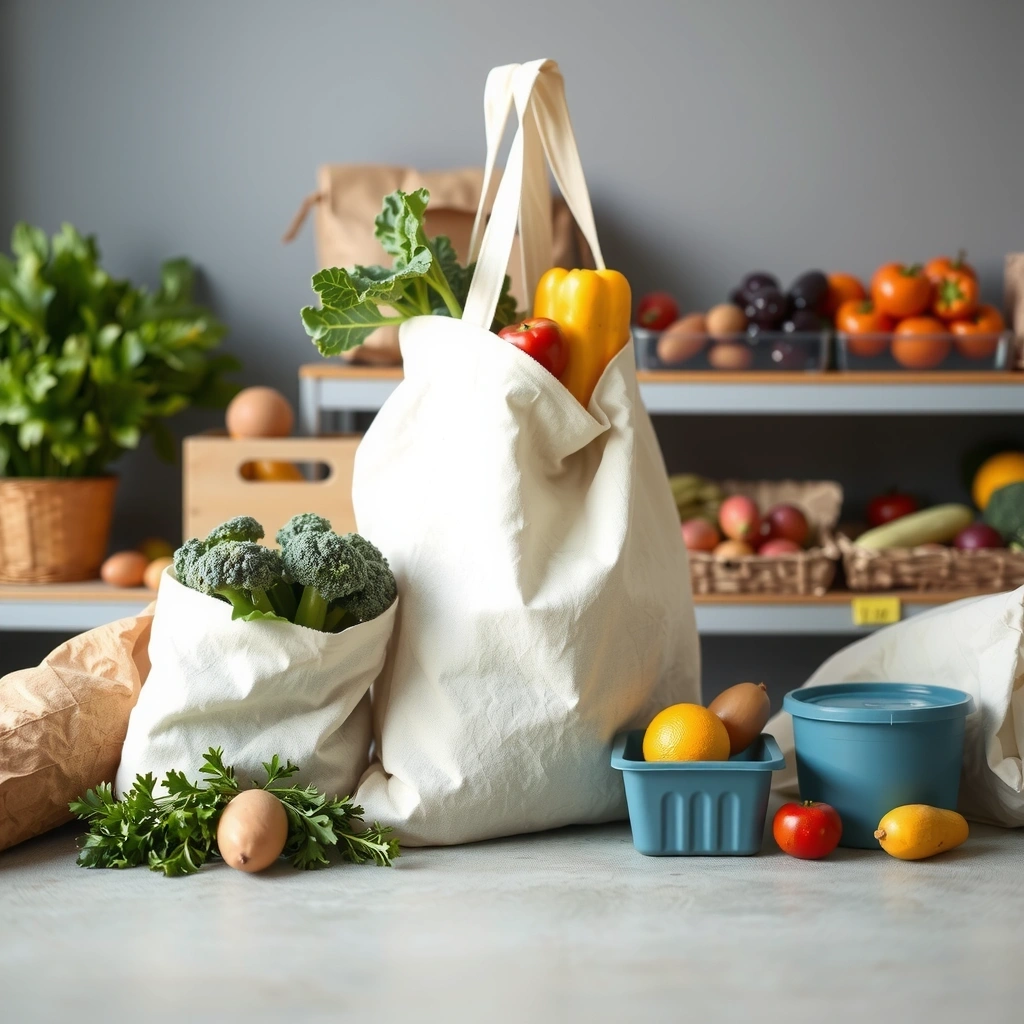
Transform your shopping experience with smart planning strategies that reduce waste, save money, and minimize environmental impact while maximizing nutritional value.
Smart Shopping List Template
Fresh Produce (Seasonal Focus)
Protein Sources
Bulk & Pantry Items
Zero-Waste Essentials
Bulk Buying Strategies
- Purchase non-perishables in bulk quantities
- Share bulk purchases with neighbors or friends
- Store bulk items in airtight containers
- Buy seasonal produce at peak times for preservation
Seasonal Menu Planning
- Plan weekly menus around seasonal produce
- Create versatile base recipes for ingredient reuse
- Prepare large batches for multiple meals
- Preserve surplus seasonal produce for winter
Budget-Friendly Choices
- Choose frozen vegetables when fresh is expensive
- Buy in-season produce for better prices
- Reduce meat consumption with plant proteins
- Shop at farmer's markets at closing time for discounts
Weekly Sustainable Meal Planning Form
Ready to Transform Your Eating Habits?
Join thousands of eco-conscious individuals who have revolutionized their relationship with food and the environment through sustainable eating practices.
Quick Start Guide
Begin your sustainable eating journey with our step-by-step beginner's guide
Read More →Expert Tips
Discover professional strategies for maximizing flavor and minimizing waste
Explore Tips →Join Community
Connect with like-minded individuals and share your sustainable living experiences
Join Us →Learn More
Access our comprehensive library of sustainable living resources and guides
Browse Resources →Contact Ecogreenplate Ltd
Ready to start your sustainable eating journey? Get in touch with our team of eco-nutrition experts.
125 Oxford Street
London W1D 2JD
United Kingdom
+44 20 7946 0958
Mon-Fri: 9:00-17:30
Sat: 10:00-14:00