Zero-Waste Recipe Collection
Discover delicious recipes that transform food scraps into culinary masterpieces. Reduce waste, save money, and create amazing meals from ingredients you might have thrown away.

No recipes found
Try adjusting your filters or search terms
Food Storage Mastery
Learn proper storage techniques to extend the life of your groceries, reduce food spoilage, and save money while protecting the environment.
High-Humidity Drawer (Crispers)
- Leafy greens: lettuce, spinach, kale
- Fresh herbs: cilantro, parsley, basil
- Broccoli, cauliflower (store in perforated bags)
- Fresh peas and beans
Medium-Humidity Drawer
- Most vegetables: carrots, celery, peppers
- Root vegetables: potatoes, sweet potatoes
- Onions and garlic (store separately)
- Cucumbers and zucchini
Pro Tips:
- • Wrap leafy greens in damp paper towels before storing
- • Store herbs like flowers in a glass of water, covered with a plastic bag
- • Keep fruits separate from vegetables as many fruits release ethylene gas
Freezing Methods
- • Blanch vegetables before freezing
- • Use airtight containers or freezer bags
- • Label with date and contents
- • Most vegetables last 8-12 months frozen
Drying & Dehydrating
- • Sun-dry herbs and hot peppers
- • Use a food dehydrator for fruits
- • Store in airtight containers
- • Check for proper moisture content
Fermentation
- • Create lactic acid bacteria environment
- • Use proper salt concentrations (2-3%)
- • Keep in anaerobic conditions
- • Allow proper fermentation time
Glass Containers vs. Plastic
Glass Benefits:
- • No chemical leaching
- • Easy to clean and sanitize
- • Doesn't absorb odors or stains
- • Microwave and oven safe
When to Use Plastic:
- • Freezing (use BPA-free only)
- • Lightweight storage needs
- • Budget-friendly option
- • Never for acidic foods long-term
Organization Tips
- Label everything with contents and date
- Use FIFO method (First In, First Out)
- Store similar items together
- Use clear containers when possible
- Maintain proper temperature zones
- Rotate stock regularly
When to Discard
- Mold growth (any color)
- Unpleasant or sour odors
- Slimy or mushy texture
- Discoloration beyond normal aging
- Expired beyond safe consumption
Still Safe to Use
- Slightly wilted vegetables (use in soups)
- Firm apples with small brown spots
- Hard cheese with mold (cut off 1 inch around)
- Fresh herbs slightly dried
- Root vegetables still firm
Food Safety Reminder:
When in doubt, throw it out. Foodborne illness is not worth the risk. Trust your senses and use the "when in doubt, throw it out" rule for any questionable foods.
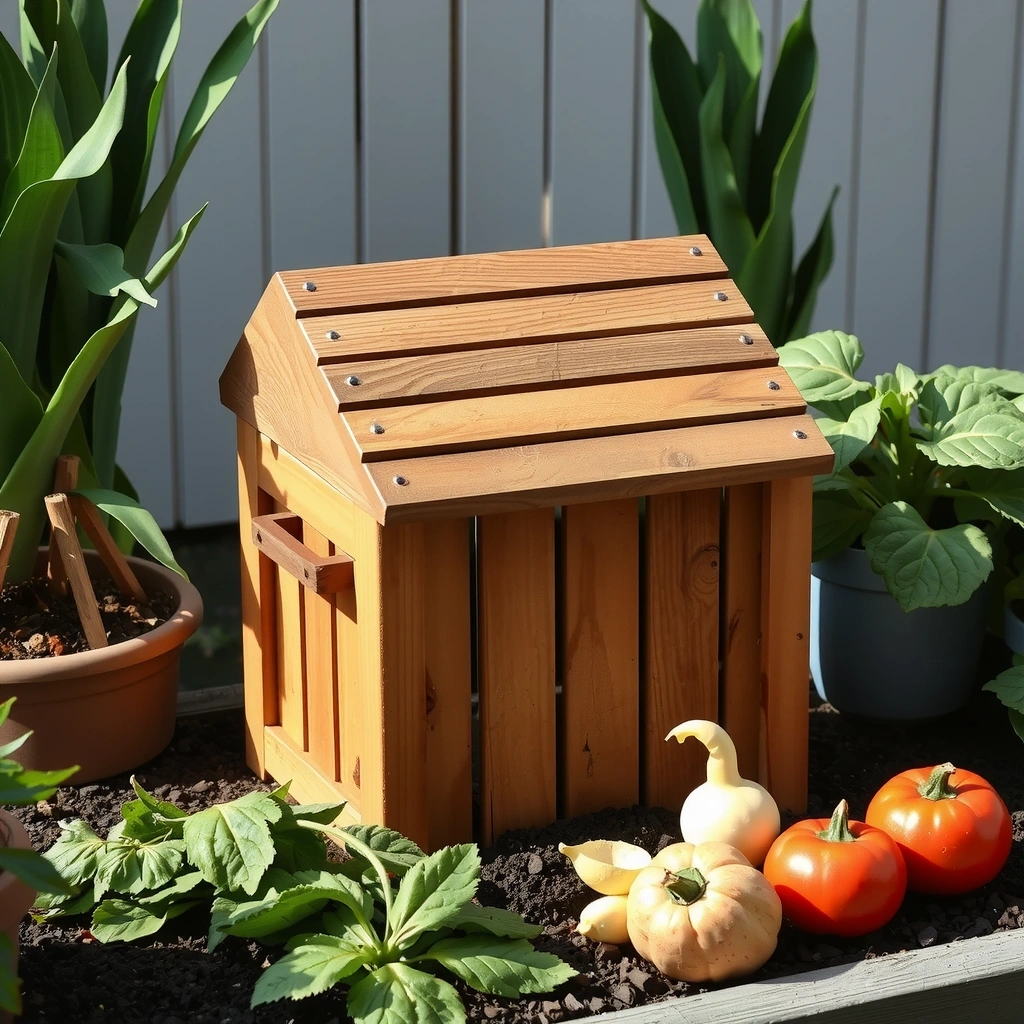
Composting Food Scraps
Transform your kitchen waste into nutrient-rich compost that feeds your garden and reduces landfill waste by up to 30%.
The Composting Process
Collection & Preparation
Gather organic waste daily and chop large pieces into smaller bits to accelerate decomposition. Avoid meat, dairy, and oily foods in basic compost systems.
Layering & Balance
Create alternating layers of "green" materials (nitrogen-rich) and "brown" materials (carbon-rich). Maintain a 3:1 ratio of browns to greens for optimal decomposition.
Moisture & Aeration
Keep compost as damp as a wrung-out sponge. Turn the pile weekly to introduce oxygen and speed up decomposition. The pile should feel warm to the touch.
Harvesting
After 2-6 months, your compost will be dark, crumbly, and earth-smelling. Screen out larger pieces and use the finished compost in your garden or potted plants.
What Can & Cannot Be Composted
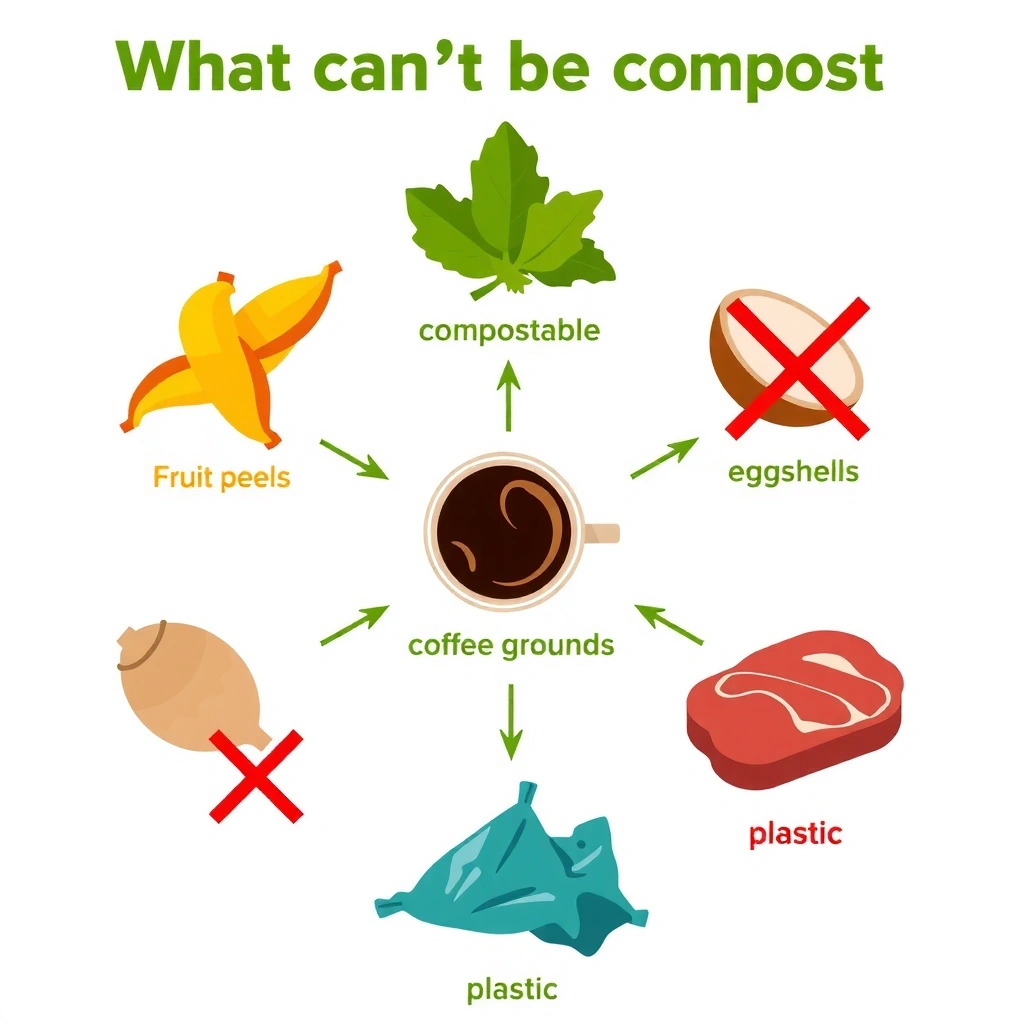
Green Materials (Nitrogen-Rich)
- • Fresh fruit and vegetable scraps
- • Coffee grounds and filters
- • Tea bags (remove staples)
- • Eggshells (crushed)
- • Fresh grass clippings
- • Plant trimmings and weeds
Brown Materials (Carbon-Rich)
- • Dried leaves and twigs
- • Paper and cardboard (shredded)
- • Straw and hay
- • Sawdust from untreated wood
- • Dryer lint (natural fibers)
- • Pine needles (in small amounts)
Avoid These Materials
- • Meat, fish, and poultry
- • Dairy products and eggs
- • Oily foods and fats
- • Pet waste (cats/dogs)
- • Diseased plants
- • Weeds with seeds
Urban Composting
Perfect for apartment dwellers. Use worm bins, bokashi composting, or countertop electric composters that process scraps quickly and odorlessly.
- • Worm composting (vermicomposting)
- • Electric countertop composters
- • Bokashi fermentation buckets
- • Community compost programs
Garden Benefits
Compost enriches soil structure, improves drainage, provides slow-release nutrients, and encourages beneficial soil organisms that protect plants.
- • Improves soil structure
- • Retains moisture and nutrients
- • Suppresses plant diseases
- • Reduces need for chemical fertilizers
Environmental Impact
Composting reduces greenhouse gas emissions from landfills and returns organic matter to the earth, creating a sustainable cycle of waste reduction.
- • Reduces landfill waste by 30%
- • Prevents methane production
- • Enriches soil carbon storage
- • Closes the nutrient loop
Ready to Start Your Compost Journey?
Join thousands of Ecogreenplate members who have transformed their kitchen waste into garden gold. Get started with our comprehensive composting guide and tips.
Smart Ingredient Substitutions
Discover creative alternatives that reduce food waste, lower costs, and maintain flavor and nutrition in your cooking.
Comprehensive Substitution Guide
Use this table to find sustainable alternatives for common ingredients
| Original Ingredient | Sustainable Substitute | Ratio | Best Used In | Notes |
|---|---|---|---|---|
|
Chicken Eggs
|
Flax Egg (1 tbsp ground flaxseed + 3 tbsp water)
|
1:1 | Baking, pancakes | Let sit 5 minutes to gel |
|
Cow's Milk
|
Oat Milk (soaked oats + water, blended and strained)
|
1:1 | Cereals, smoothies, baking | Sweet, creamy texture |
|
Cream/Cream Cheese
|
Cashew Cream (soaked cashews + water, blended)
|
1:1 | Sauces, dips, desserts | Neutral flavor, thick texture |
|
Fish Sauce
|
Soy Sauce + Anchovy Paste
|
1:1 | Asian dishes, marinades | Umami-rich alternative |
|
Fresh Herbs
|
Herb-infused salt or oil
|
Use sparingly | Seasoning, dressings | Concentrated flavor |
|
White Wine
|
White Wine Vinegar + Water (1:1 ratio)
|
1:1 | Sauces, deglazing | Add sugar to balance acidity |
|
Bread Crumbs
|
Crushed crackers, cereal, or nuts
|
1:1 | Coating, binding, topping | Adjust seasonings as needed |
|
Hot Sauce
|
Sambal oelek or gochujang + vinegar
|
1:1 | Asian dishes, marinades | Add sweetness to balance |
Seasonal Indonesian Alternatives
Dry Season Substitutions (May - September)
- • Use dried coconut instead of coconut milk (1:1 ratio when rehydrated)
- • Substitute dried tamarind paste for fresh tamarind
- • Replace fresh galangal with dried galangal powder (use 1/3 the amount)
- • Use dried kaffir lime leaves instead of fresh (steep in liquid to release flavor)
Wet Season Substitutions (November - March)
- • Fresh turmeric root vs. dried powder (use 5:1 ratio)
- • Fresh lemongrass vs. dried (use 2:1 ratio, bruise before use)
- • Fresh kaffir lime zest vs. dried leaves
- • Fresh red chilies vs. dried chili flakes (use 1:3 ratio)
Budget-Friendly Swaps
Cost Reduction Strategies
- • Replace expensive saffron with turmeric + paprika (similar color, different flavor)
- • Use vegetable peels (carrot, potato) to make vegetable broth instead of buying stock
- • Substitute expensive goat cheese with cottage cheese + herbs
- • Replace fresh berries with frozen (often more nutritious and cost-effective)
- • Use rice flour instead of wheat flour for some baked goods (gluten-free bonus)
Nutritional Equivalencies
- • Chia seeds vs. flax seeds (similar omega-3 content)
- • Nutritional yeast vs. parmesan (similar umami, B-vitamins)
- • Almond flour vs. coconut flour (adjust liquid ratios accordingly)
- • Hemp seeds vs. sesame seeds (protein and mineral comparison)
Master the Art of Substitution
Learn how to create delicious, waste-free meals with our comprehensive substitution guide. Save money, reduce environmental impact, and discover new flavors.
Zero-Waste Cooking Tips
Essential practices and techniques to minimize food waste in your kitchen while maximizing flavor and nutrition.
Planning & Preparation
- Create weekly meal plans using ingredients you already have
- Check expiration dates and use oldest items first
Cooking Techniques
- Repurpose leftovers into new meals within 2-3 days
Repurposing & Creative Uses
- Regrow vegetable scraps like scallions and lettuce
- Make flavored salts with herb stems and citrus peels
- Create natural cleaning products with citrus peels
The Zero-Waste Cooking Cycle
Plan
Inventory what you have and plan meals to use ingredients before they spoil.
Shop Smart
Buy only what you need, choose imperfect produce, and support local sources.
Use Everything
Cook creatively with scraps, repurpose leftovers, and find multiple uses for ingredients.
Compost
Return organic waste to the earth, completing the cycle of sustainable eating.
Join Our Zero-Waste Community
Connect with fellow eco-conscious cooks, share your recipes, and get expert advice on sustainable cooking practices.
Get in Touch
Visit Our Office
Ecogreenplate Ltd
125 Oxford Street
London W1D 2JD
United Kingdom
Call Us
Email Us
Office Hours
Monday - Friday: 9:00 - 17:30
Saturday: 10:00 - 14:00
Sunday: Closed
Send Us a Message
Ready to Start Your Zero-Waste Journey?
Join thousands of home cooks who are making a positive impact on the environment, one meal at a time.